ԱՐԵՎԵԼԱԳԻՏՈՒԹՅԱՆ ԻՆՍՏԻՏՈՒՏ
INSTITUTE OF ORIENTAL STUDIES
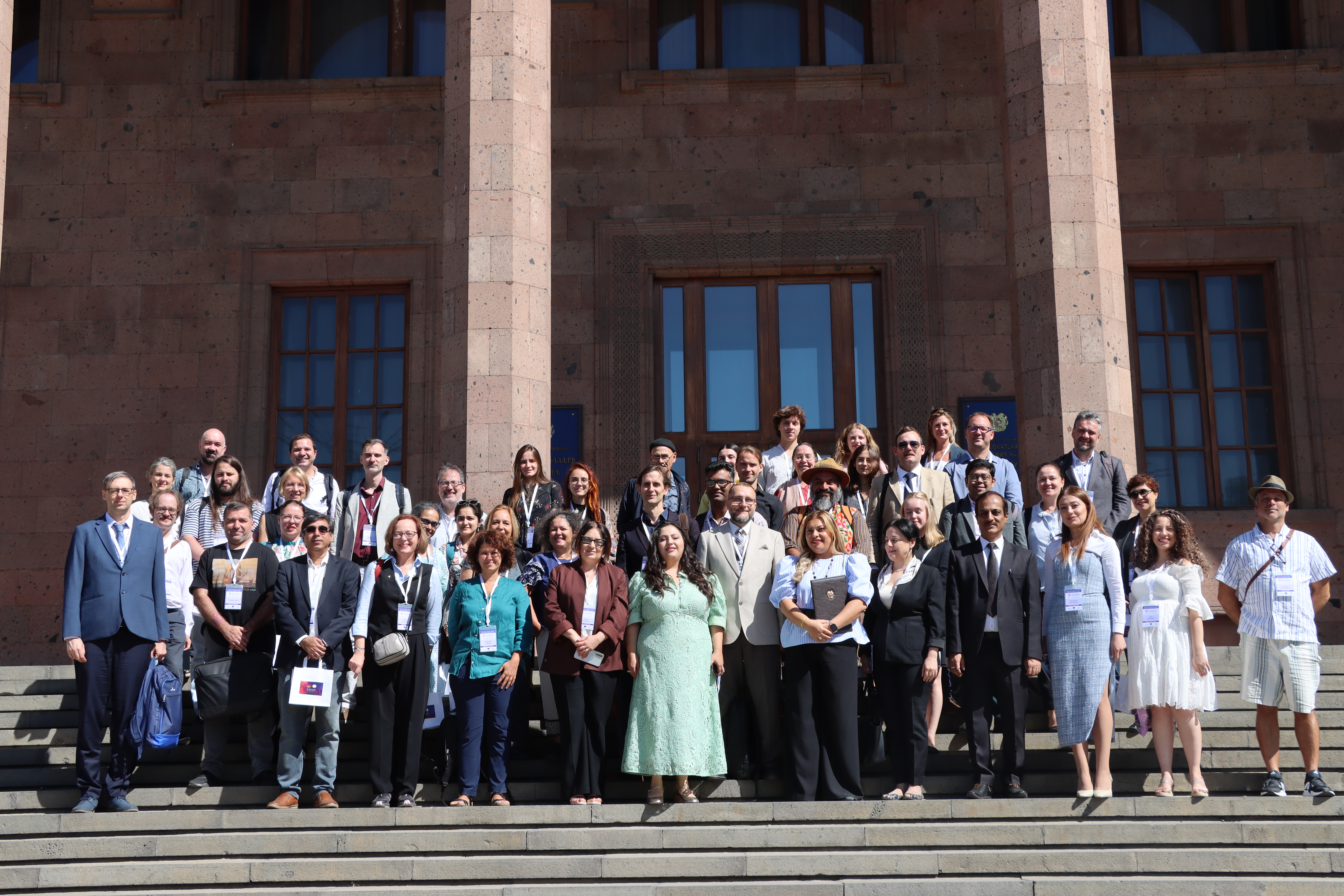
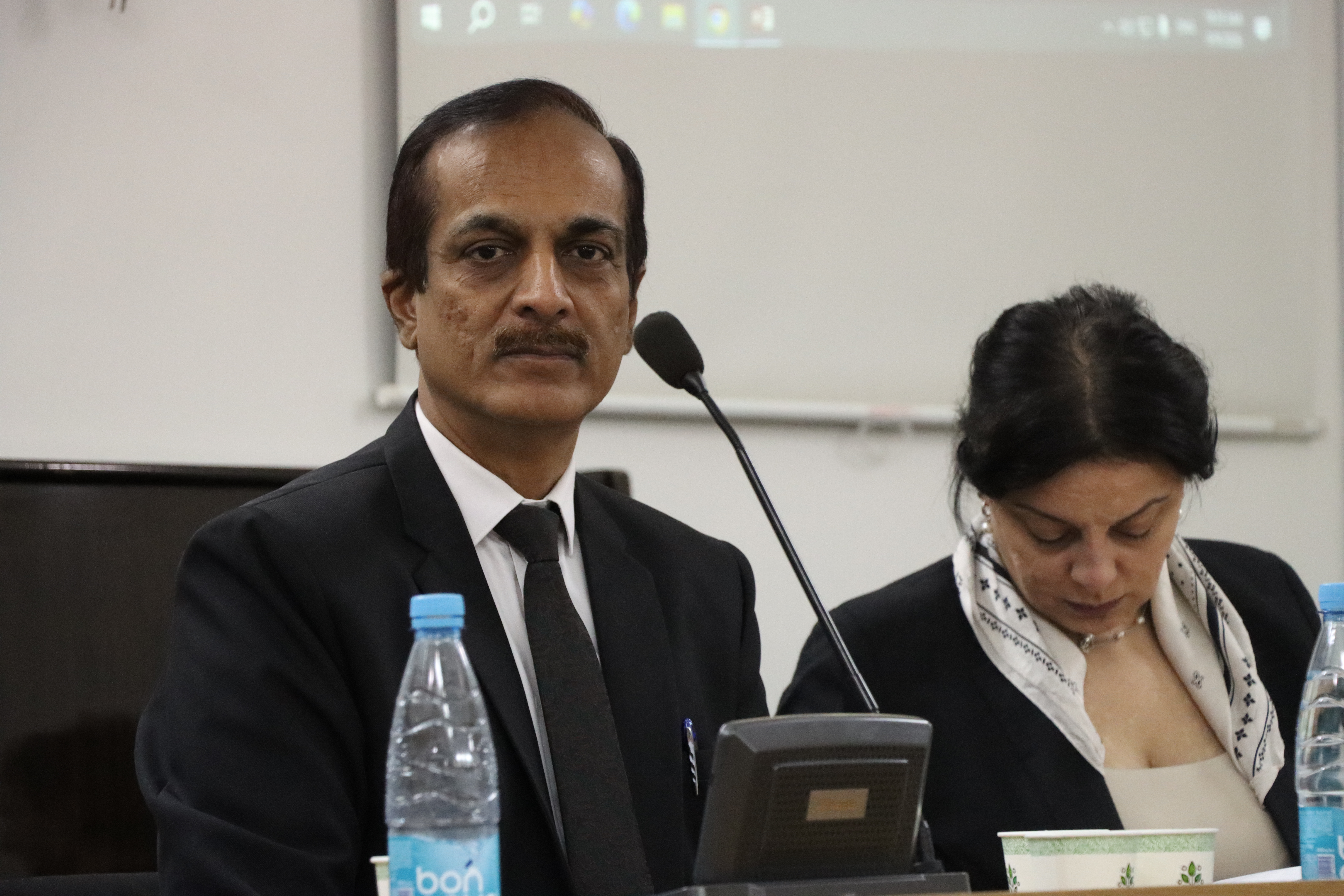
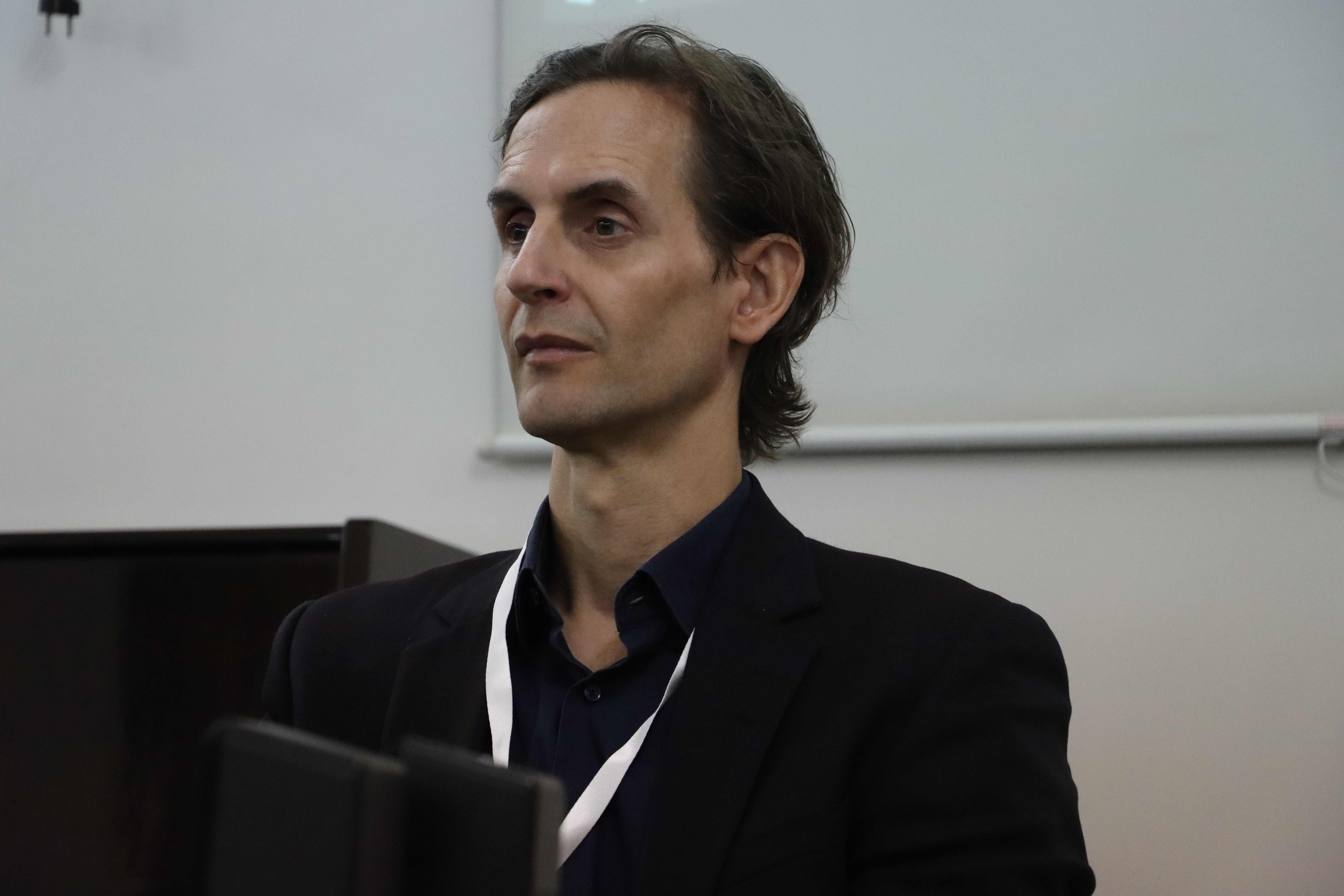
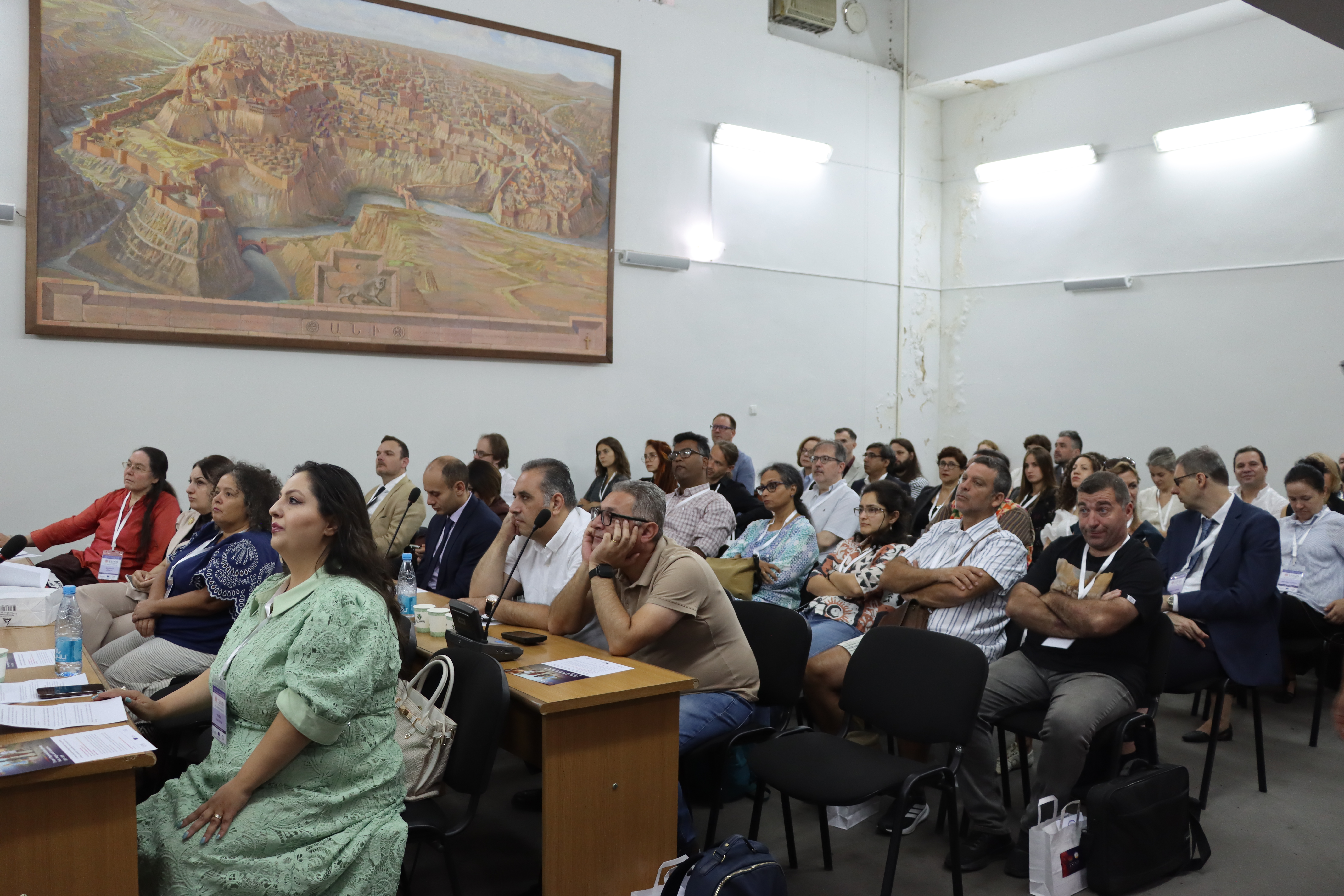
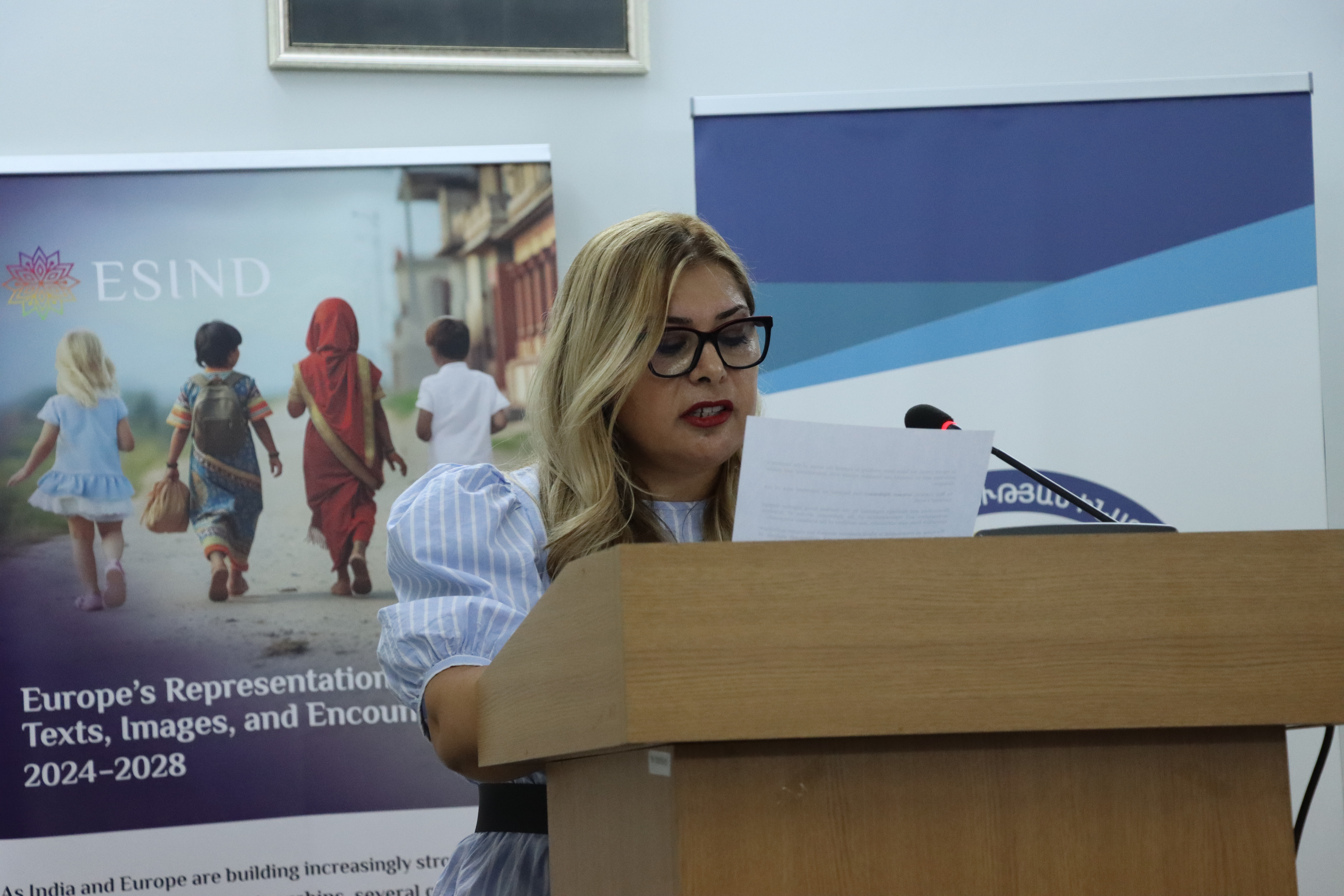
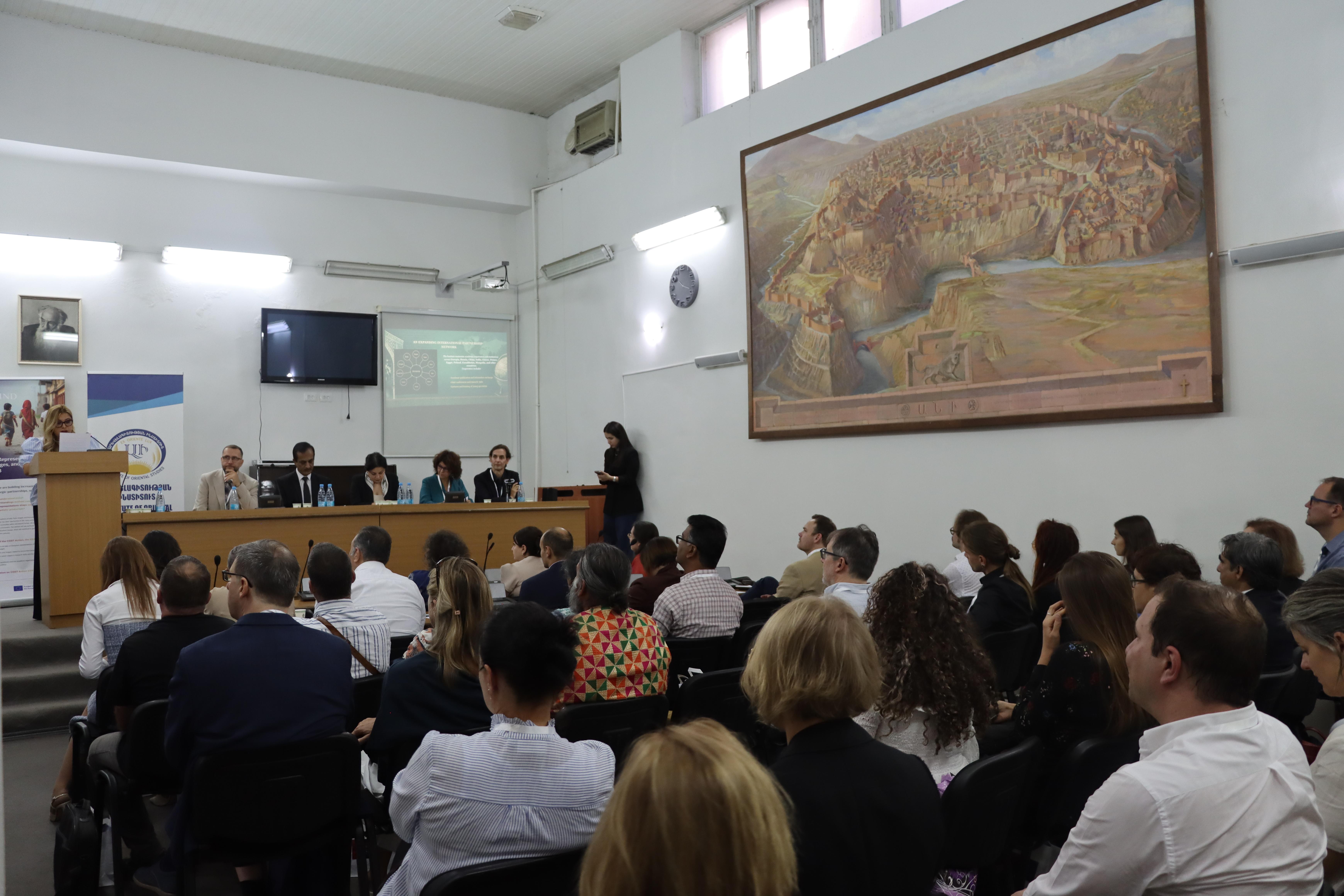
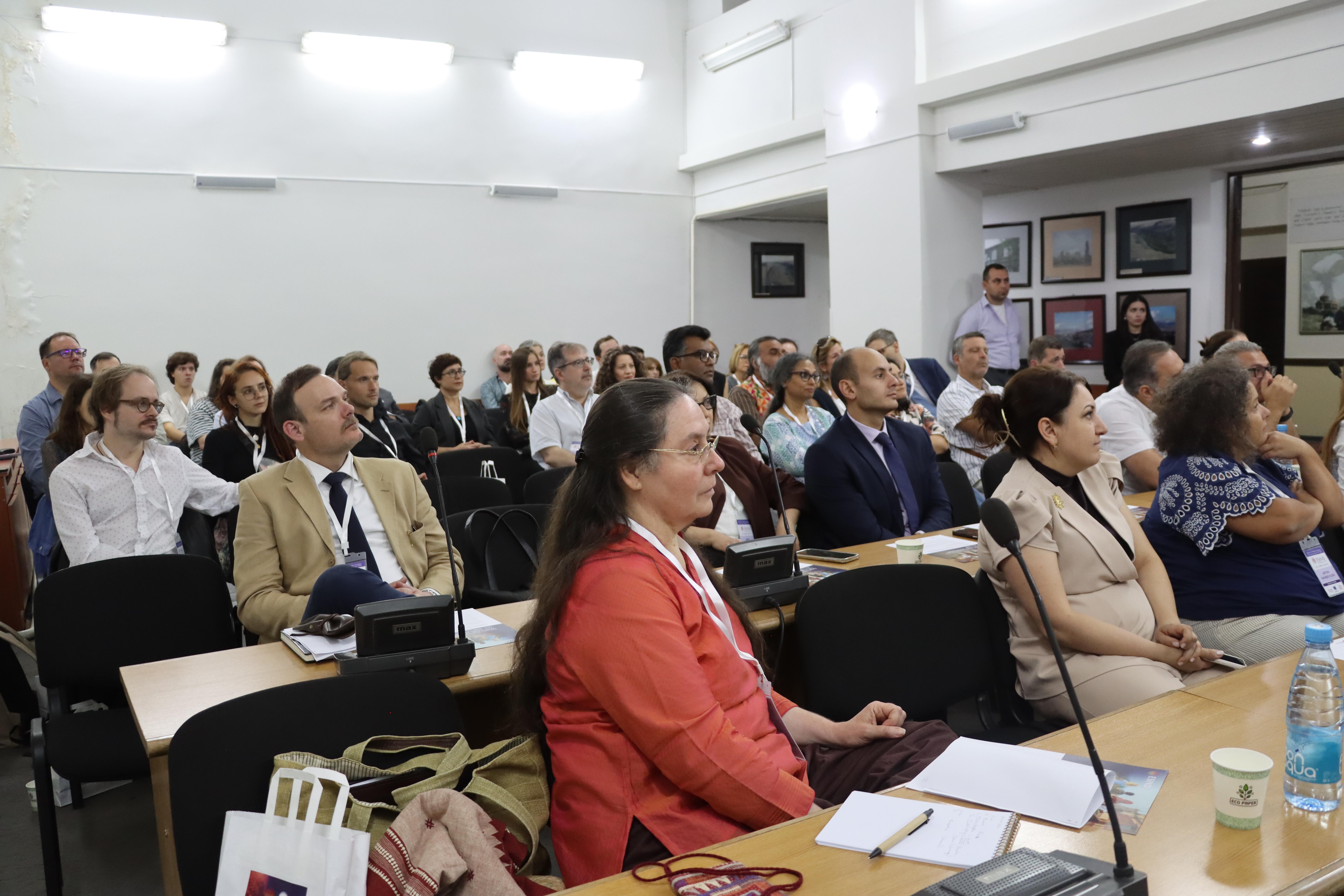
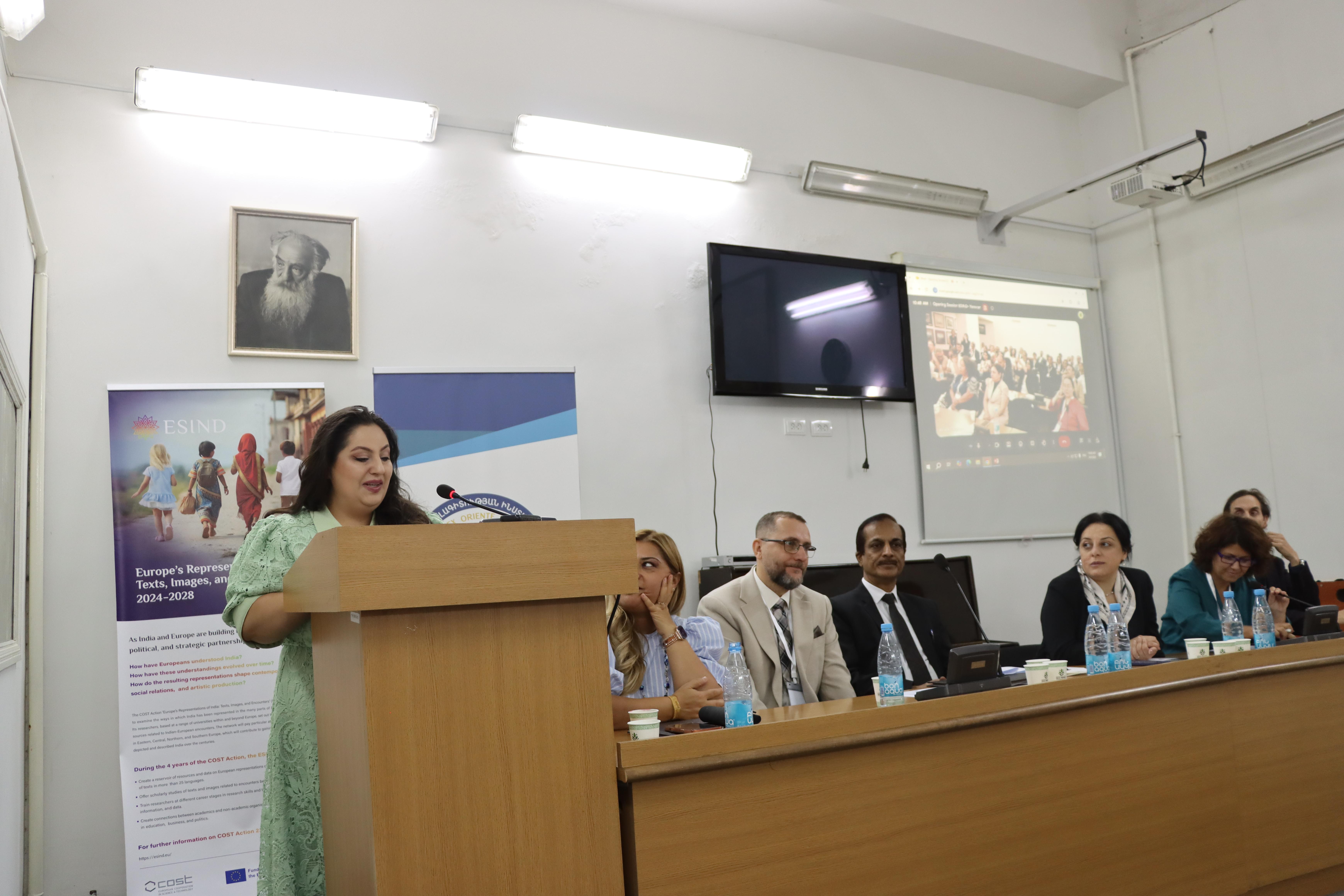
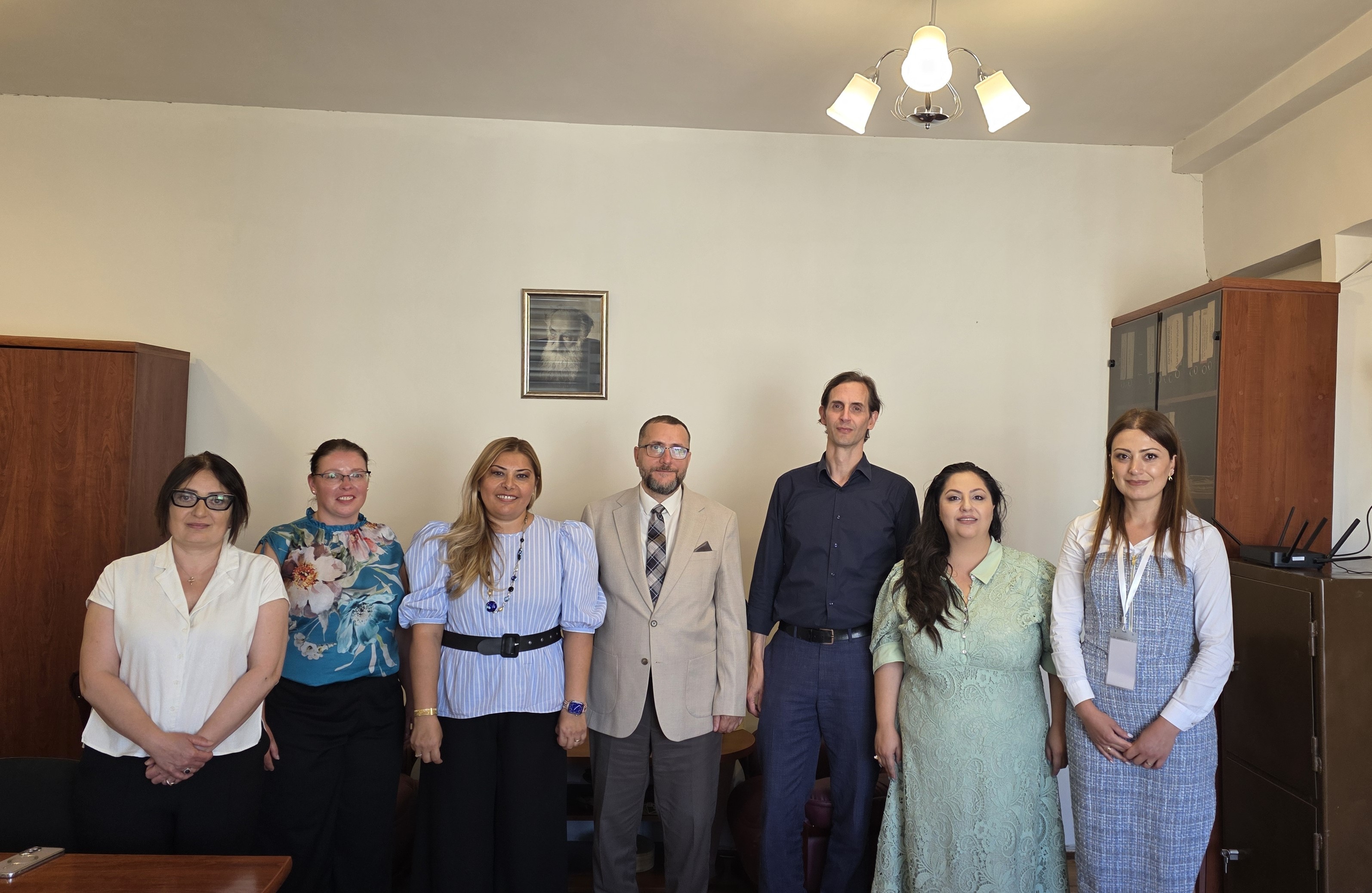
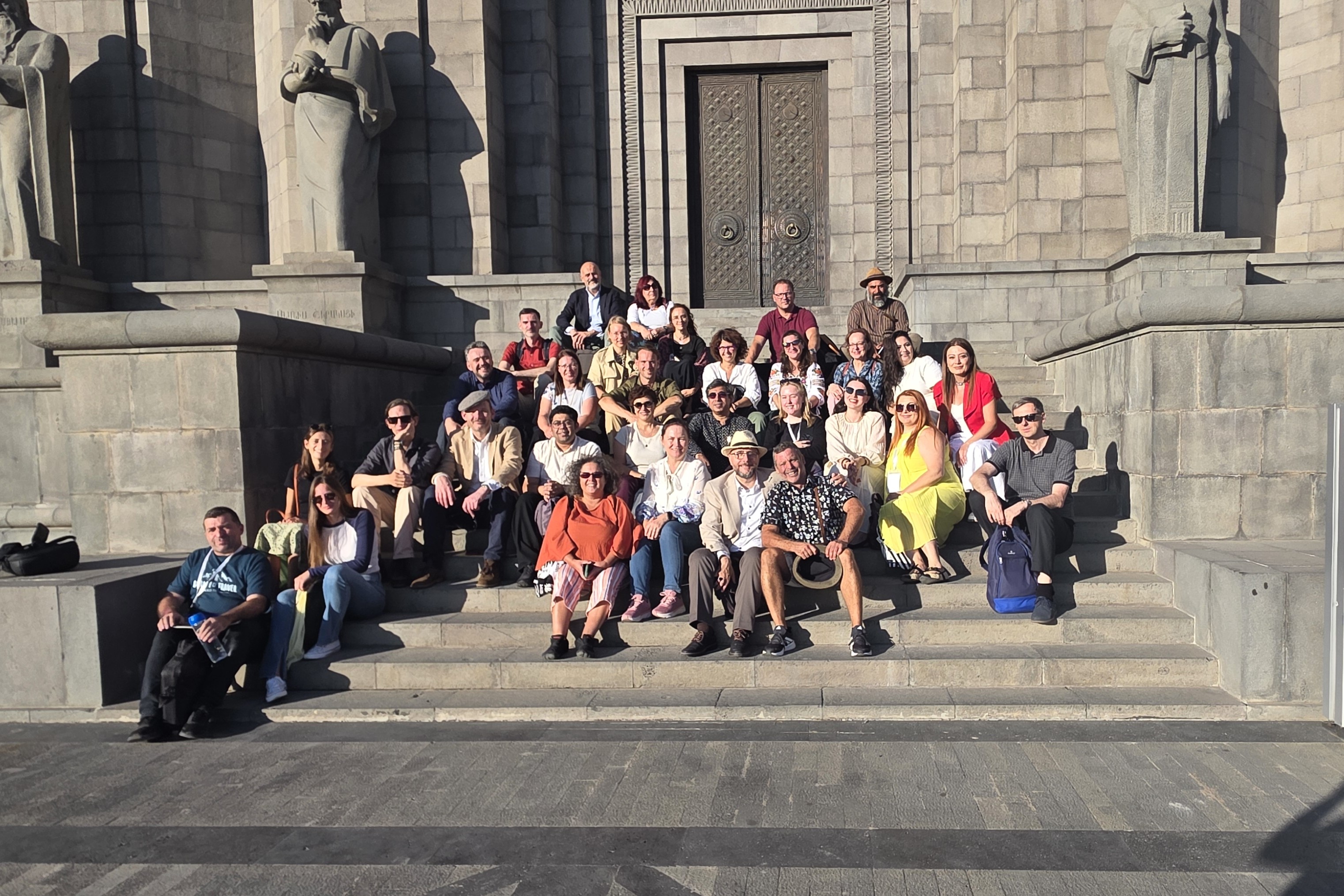
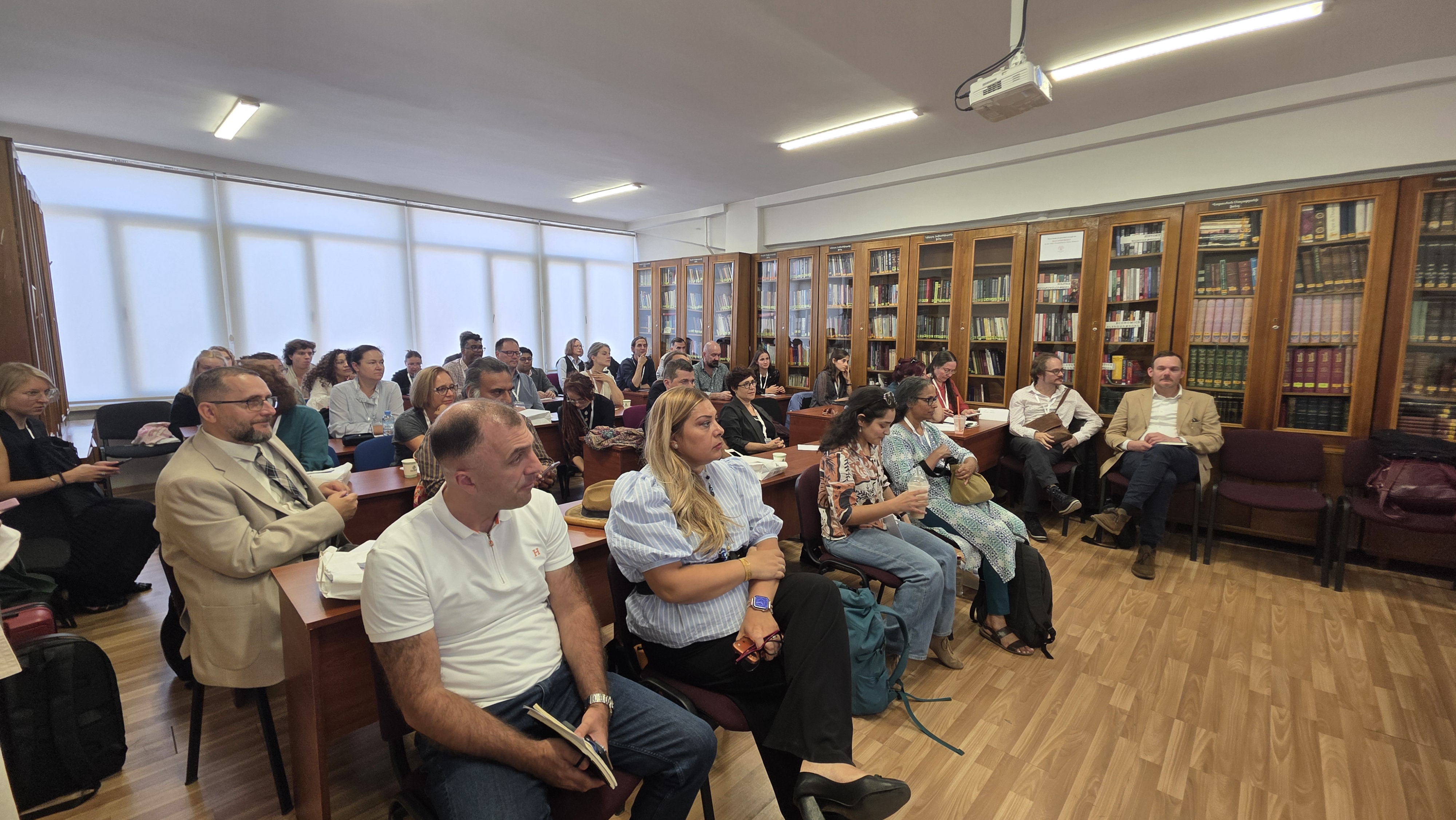
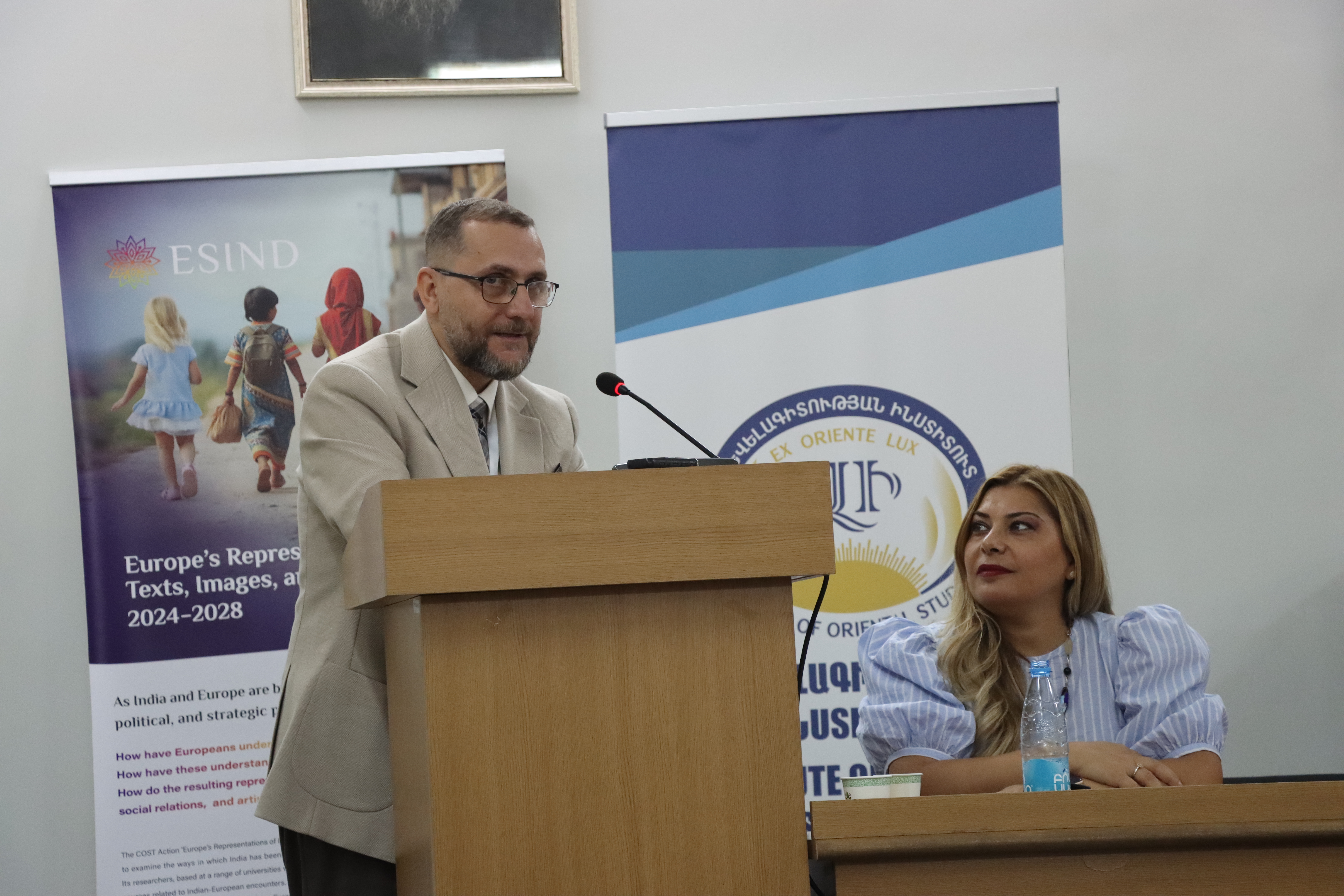
From September 9 to 11, the Institute of Oriental Studies hosted the 2nd General Assembly of the COST Action (European Cooperation in Science and Technology) initiative, titled "Europe's Representations of India: Texts, Images and Encounters" (ESIND). Marking a landmark milestone, this was the first event of its kind organised in Armenia within the humanities framework of the COST program.
The event brought together more than 50 scholars and researchers from across Europe, India, and Armenia. Over the course of three days, experts examined specific topics in Indian history and culture while analysing how India has been perceived, studied, and represented across different historical eras and cultural environments in Europe.
A primary objective of the ESIND COST Action is to examine the formation and evolution of European representations of India, with a focus on texts, images, cultural interactions, and the circulation of knowledge. As an interdisciplinary platform, the initiative situates the study of India within the interconnected framework of European intellectual, cultural, and scientific history. This approach provides valuable insights into how different societies developed mutual awareness, how knowledge of foreign cultures was constructed, and the key roles that literature, art, historiography, and academic research played in these processes.
The conference opened with welcoming remarks by Gohar Iskandaryan, Director of the Institute of Oriental Studies. She stressed the importance of taking academic cooperation beyond national borders, noting that “the Institute of Oriental Studies can serve as a platform for interdisciplinary dialogue and as a bridge connecting different academic communities.” Iskandaryan also highlighted the role of scientific diplomacy, emphasising that the Institute’s longstanding research expertise and diverse academic approaches aim to connect research findings with public policy, diplomatic practice, and regional developments.
Anahit Karapetyan, Head of the Department of Asia and Pacific Countries at the Ministry of Foreign Affairs and International Trade of the Republic of Armenia, spoke about the centuries-old Armenian-Indian connections. She noted that “the event will contribute to raising awareness of India’s civilizational heritage while encouraging academic and cultural exchanges between Armenia, India, and Europe.”
Aditya Kumar Pandey, Consul of India in Armenia, also emphasised Armenia’s historical role as a bridge between different civilisations and intellectual traditions. “The historical ties and encounters between India and Europe have further fostered scholarly exchange and mutual interest,” he noted.
Martin Fárek, Professor at the Technical University of Liberec and Chair of the ESIND COST Action, described the conference as an important milestone for the Action. He expressed confidence that the academic connections established in Yerevan would provide new momentum for joint research, translation projects, and international publications.
In his welcoming speech, Jakob De Roover, Co-Chair of COST Action ESIND, emphasised that Armenians have historically served as indispensable intermediaries in shaping dialogue and mutual understanding between Europe and India. He noted that without examining this Armenian role, it is impossible to gain a comprehensive understanding of the depth of Indo-European relations.
Welcoming remarks were also delivered by Knarik Sargsyan, Junior Researcher at the Institute of Oriental Studies and organiser of the 2nd General Conference of COST Action ESIND. She emphasised that the Institute of Oriental Studies provides a particularly meaningful setting for exploring the historical and cultural dialogue between Europe and India, while the conference itself reflects the core idea of ESIND by bringing together different countries, disciplines, and perspectives around sustained academic cooperation. Knarik Sargsyan also expressed hope that the rich academic and cultural program would enable participants to discover Armenia and explore notable episodes of historical Armenian-Indian connections.
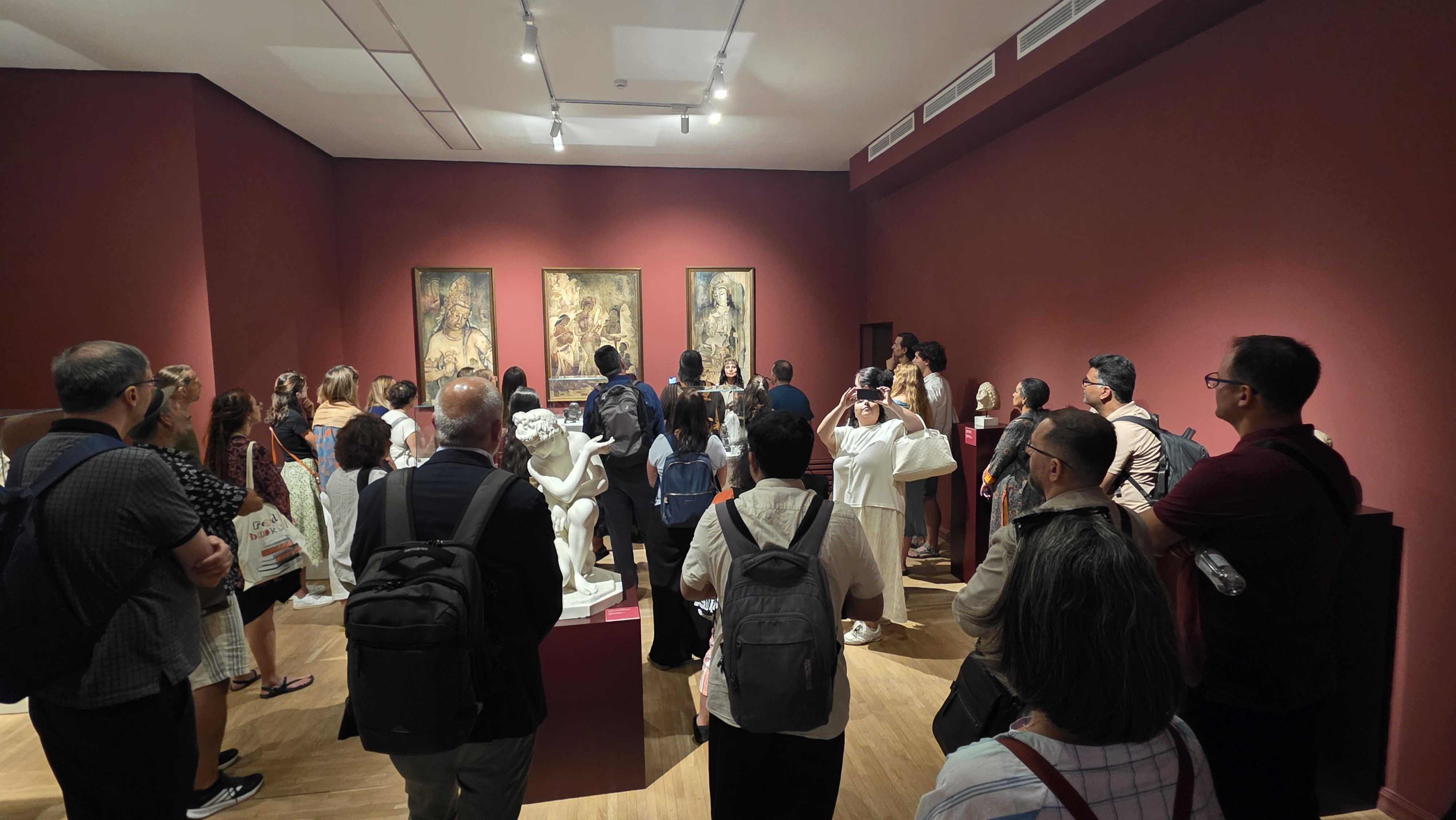
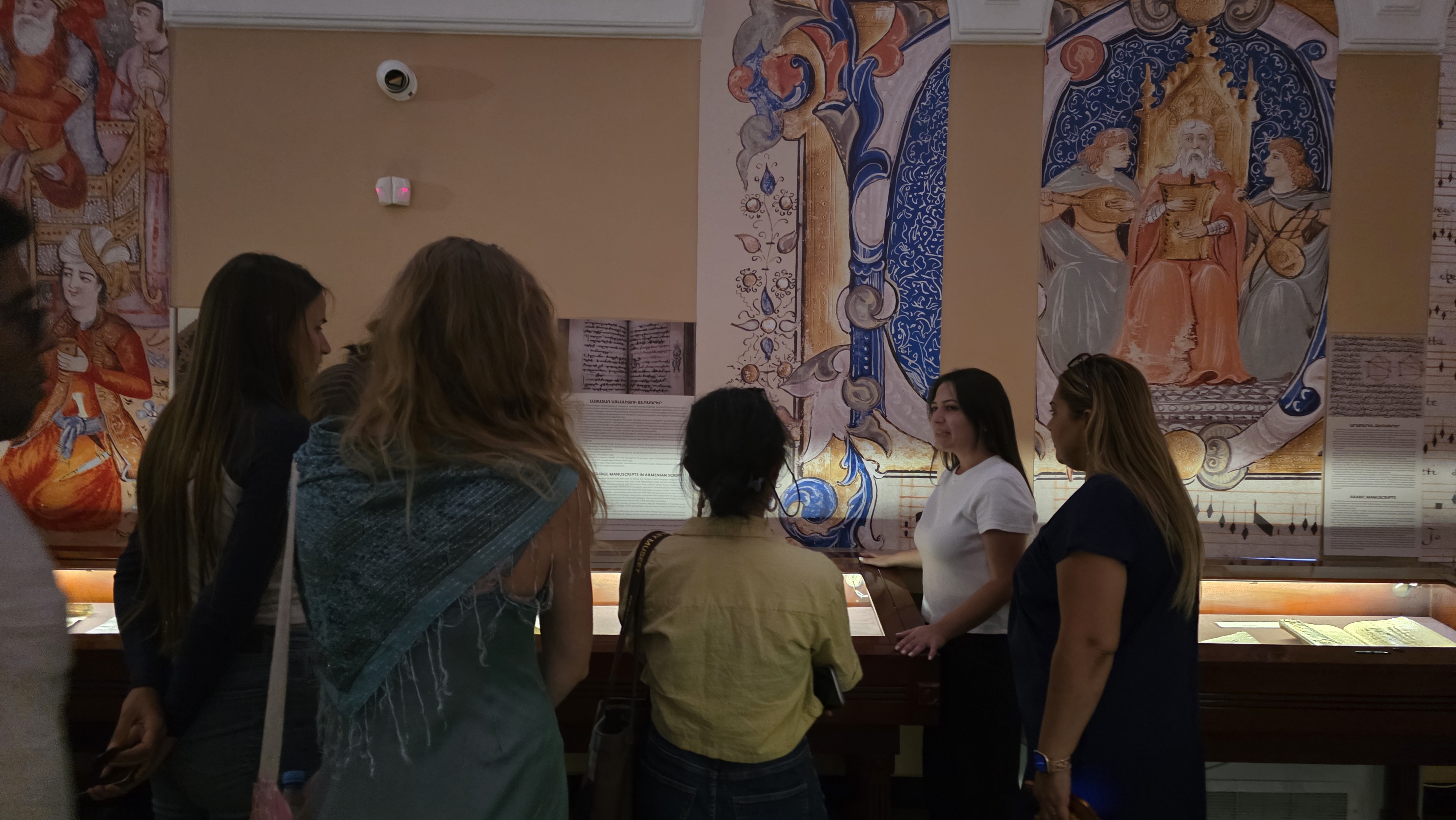
Alongside the academic discussions, the participants took part in a rich cultural programme designed to introduce the international scholarly community to Armenia’s historical and cultural heritage, as well as to the long history of Armenian-Indian connections. Supported by the Ministry of Foreign Affairs and International Trade of Armenia, participants visited the National Gallery of Armenia to view a specialised exhibition dedicated to Indian culture alongside masterpieces of Armenian art. A standout highlight was the visit to the Mesrop Mashtots Institute of Ancient Manuscripts (Matenadaran), where international researchers engaged directly with Armenia's centuries-old manuscript heritage and the rich environment that fostered its scientific and literary traditions.
Hosting this event in Yerevan sets a major precedent both for expanding international scientific cooperation and for advancing Armenian Oriental Studies. Armenia and India share multilayered historical and cultural ties, and the deepening political, economic, and cultural relations between the two nations in the modern era create new avenues for academic collaboration. Indian studies remain a core discipline within Armenian Oriental Studies, and hosting ESIND aims to position Armenia as a more active participant in European and international networks dedicated to the study of India.
For the Institute of Oriental Studies, organising ESIND General Assembly represents an important step toward increasing the participation of Armenian researchers in COST Actions, joining European research initiatives, and pursuing joint scientific projects. The Yerevan event demonstrated that international cooperation in the humanities can simultaneously foster scientific knowledge, encourage intercultural dialogue, and strengthen Armenia's positioning as an active international academic hub.
The Directorate of the Institute of Oriental Studies expresses its sincere gratitude to the Ministry of Foreign Affairs and International Trade of the Republic of Armenia for its support in facilitating the visit to the National Gallery of Armenia, to the administration of Matenadaran for expertly organising the visit and providing assistance, and to the Institute of History for its support of the event.